Introduction
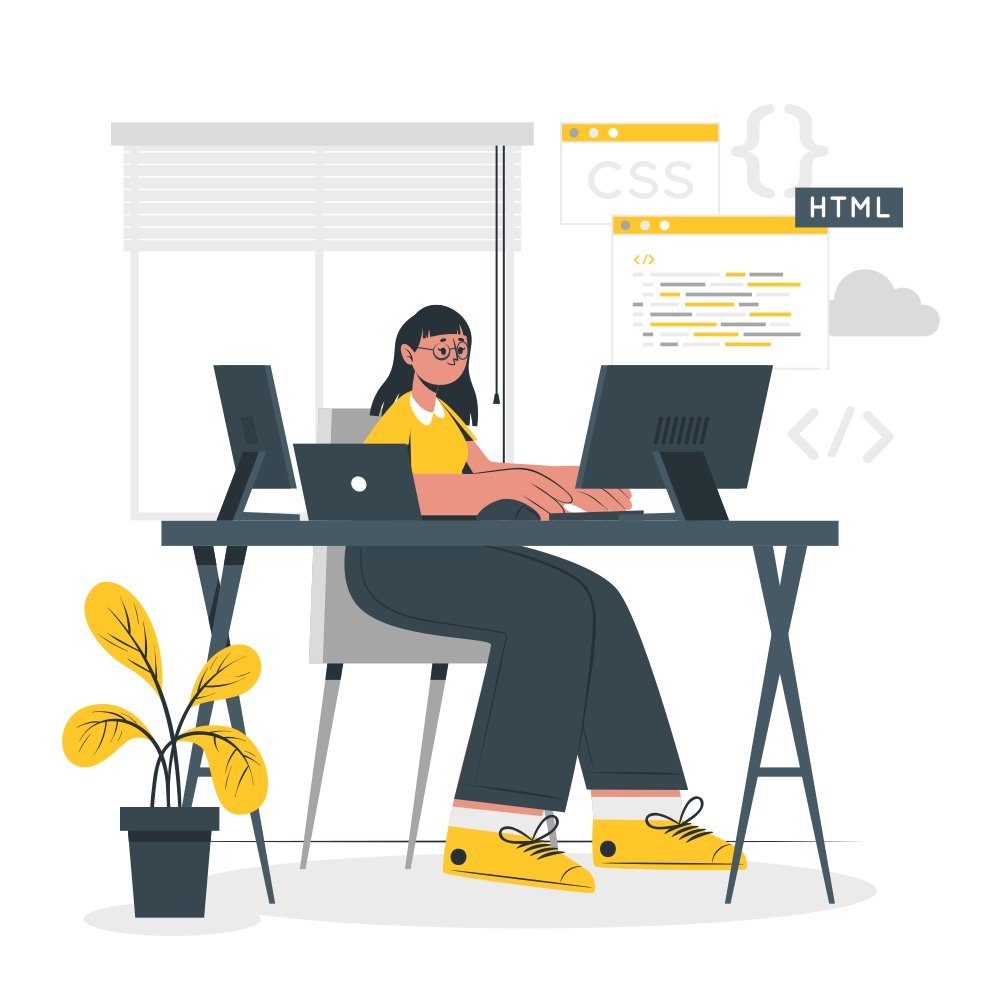
HTML and CSS are two foundational technologies of the modern web. HTML, or Hypertext Markup Language, is the standard markup language used to create web pages. It provides the structure and content of a web page, defining things like headings, paragraphs, images, links, and other elements.
CSS, or Cascading Style Sheets, is a language used to describe the presentation of a web page. It allows designers and developers to control the layout, typography, colors, and other visual aspects of a page.
Together, HTML and CSS form the backbone of the web, allowing developers to create beautiful, interactive, and responsive websites that are accessible to users across devices and platforms.
Whether you're building a personal blog, an e-commerce site, or a complex web application, mastering HTML and CSS is essential. With a solid understanding of these two technologies, you can create web pages that are not only functional and well-organized but also visually appealing and engaging to users.
Prerequisites
Skills Covered
In this unit, we are going to cover the following topics.
Recommended Study Material
HTML and CSS crash course by The Net Ninja channel is a great place to start a Web Development Journey. This basic CSS Animation course from "The Net Ninja" is very good for beginners to get a good understanding of CSS Animation. With Flexbox, you can create layouts that automatically adjust to different screen sizes and device types, without the need for media queries or complex calculations. CSS Grid is designed for two-dimensional layouts, where you have a grid of items that need to be positioned and aligned within a container. Grid is particularly useful for creating complex layouts that require precise positioning of elements. In this mini-series, we'll build a responsive website using a mobile-first approach (developing the site for mobiles first and then extending the design to larger screens). CSS variables provide a powerful way to create flexible and maintainable stylesheets that enable developers to create more efficient, scalable, and dynamic web designs. A collection of videos by Kevin Powell covers some more topics such as the right units to choose, CSS math functions, and BEM naming convention.CSS Unit
Math Functions
BEM Naming Convention
Helpful Resources
You can refer to the below docs or blogs when required.
Projects
Contributor(s)
John Doe
Founder and Fullstack Developer at freeCodeProject.org
Created this Unit.